Hooded Eyes and Lash Extensions - Why They Keep Disappearing (And How to Fix It)
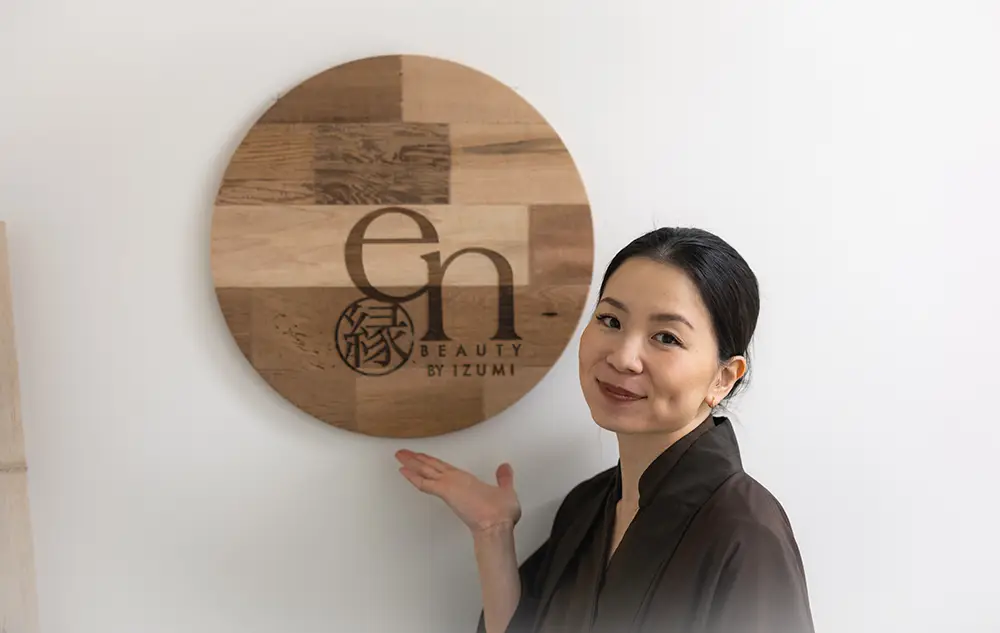
I see this every week.
A client settles into the treatment chair and tells me she has tried lash extensions at two or three different studios. They never quite looked right. They disappeared the moment she opened her eyes. They felt like they were pressing against her brow bone. The lift she tried did almost nothing she could notice. Each time, she left wondering whether extensions simply were not for her.
Usually, by the time I have looked at her eyes for thirty seconds, I know exactly what happened. The treatment was not designed for her eye shape. Specifically, for her hooded lids.
Hooded eyes are one of the most common eye shapes I see at En Beauty. They appear across all ages, all backgrounds, all face shapes. They become more common as we get older, as the brow bone naturally descends over the lid. And they are one of the eye shapes most consistently let down by standard lash treatments - not because extensions or lash lifts do not work on hooded lids, but because the approach has to be different.

After 18 years as a lash artist, I have worked with this eye shape more times than I can count. Here is what I have learned, and what I wish more clients knew before they gave up.
What Hooded Eyes Actually Are
A hooded eye has a heavier brow bone that sits low over the upper eyelid, partially covering it when the eye is at rest. The amount of visible lid space is reduced - sometimes significantly. When you look at a hooded eye straight on, you see less of the lid surface than you would with a double-lid eye, and the lash line sits closer to or partially beneath the overhanging skin.
Some clients with hooded eyes know this is what they have. Many do not. They just know that eye makeup is difficult, that their lash extensions always looked better in photos taken from above than in real life, and that they have never quite understood why.
Related eye shapes I see regularly - downturned eyes where the outer corner sits lower than the inner, deep-set eyes, and the hooded effect that develops naturally in mature lids - all share similar design challenges. The standard lash map was not built for any of them.

The Five Things Clients Say - And What They Actually Mean
These are the complaints I hear most often from clients with hooded lids who have had treatment elsewhere. Each one points to the same underlying issue: the treatment was applied without properly accounting for where the lid sits.
"They disappeared the moment I opened my eyes."
This is the most common one. The client looks in the mirror with her eyes open and can barely see the extensions. They were clearly visible during application, when her eyes were closed and the lash line was fully exposed. Once her eyes opened, the overhanging lid skin covered most of the extension length.
What happened: the extensions were too long, placed at the outer corner where the hood is deepest, and curl was not chosen to account for the lid covering them. The extensions sat beautifully in a closed-eye position and disappeared entirely in the only position that matters - eyes open, facing forward.
The fix is not longer extensions. It is shorter extensions with a curl that clears the hood from the root, and placement mapping that shifts peak length toward the centre of the eye where there is more visible lid space.
"They kept brushing against my eyebrow bone."
This one tells me immediately that the extensions were too long for the depth of the hood. On a hooded lid, a long extension placed at the outer corner does not sweep outward as it would on an almond or round eye. It reaches up toward the brow bone, folds back against the overhanging skin, and either presses uncomfortably or creates a sensation of the extensions catching.
The instinct in this situation - which I have seen clients bring from advice given at other studios - is to try a different curl. A more dramatic curl. This usually makes it worse. A curl that is too deep loops the extension back toward the lid rather than sweeping it away from it.
The fix is shorter length, and a curl chosen to create visible lift without reaching the brow bone. For most hooded lids, a C curl or a refined L curl outperforms the D or DD curls that look dramatic on other eye shapes. The priority is a sweep that clears the hood. Everything else follows from that.
"They made my eyes look heavier, not more open."
A standard lash map concentrates the longest extensions at the outer corners and creates a cat-eye elongating effect. On a round or almond eye, this opens and lifts. On a hooded eye with a downturned outer corner, it pulls the lid further down and creates a heavier, more tired appearance than no lashes at all.
I have seen clients come in having been given exactly this set, sometimes more than once, sometimes at quite reputable studios that simply did not adjust their approach. The extensions were applied correctly in a technical sense. The mapping was wrong for the eye.
For downturned hooded eyes, the mapping shifts entirely. The longest extensions move to the centre-outer zone rather than the outer edge. The outer corner is kept short and light. The goal is lifting the visible lash line rather than following and exaggerating its natural angle.
"My lash lift did nothing I could notice."
I hear this one less often than the extensions complaints, but it matters because the lash lift is frequently the better treatment for hooded lids - and when it is done without proper rod selection for the lid depth, clients conclude it simply does not work for them and do not try again.
A lash lift uses a silicone rod to shape the curl of the natural lash. The size of the rod determines where the curl establishes. A rod that is too large creates a gradual, open curl that sets at a point still hidden by the overhanging skin. The lift happens. It is simply happening in a place the client cannot see.
A smaller rod creates a tighter curl from closer to the root - below the point where the hood sits. The lifted lash clears the overhang and is visible when the eye is open. On some hooded lids, the difference between a correctly sized rod and a generic one is the difference between a result the client notices immediately and a result she cannot see at all.
When I see clients who have concluded that lash lifts do not work for their eyes, this is almost always what happened. The treatment works. The approach did not account for the eye.
"They looked great in photos but not in real life."
This one is actually a useful diagnostic. If extensions photograph well - particularly in photos taken from slightly above, or in close-up shots where the camera angle shows the full lash line - but look minimal or heavy face-on, it is almost always a hooded lid issue.
A camera positioned slightly above eye level captures the lash line from an angle that clears the hood. Face-on, at eye level, the hood covers what the camera was seeing. The extensions have not changed. The viewing angle has.
Some clients actually adjust to taking photos from above and accept that as their lash reality. It should not have to be. A set designed for the actual eye - with appropriate curl to clear the hood at eye level - will look good in both.
What Each of These Tells Me at Consultation
When a new client describes any of these experiences, it is useful information rather than a complaint. It tells me the specific problem to design around.
Extensions that disappeared tell me the hood is significant and the previous mapping did not account for it. I know to keep length conservative, shift placement toward the centre, and select a curl that prioritises clearance over drama.
Extensions that brushed the brow tell me the previous length was too ambitious and possibly the curl too dramatic. I know to start shorter than the client might expect and explain why.
A lift that did nothing tells me the rod was likely too large. I know to select a smaller rod, establish the curl from close to the root, and prepare the client for what a correctly applied lift actually looks like on her specific lid.
Eyes that photograph well but look heavy face-on tell me the cat-eye outer mapping was used. I know to redistribute length toward the centre and keep the outer corner light.
The consultation at En Beauty exists specifically to have this conversation before anything is applied. It is the part of the appointment that most volume salons do not have time for.
What a Correctly Applied Lash Treatment on Hooded Eyes Actually Looks Like
When the approach is right, hooded eyes can look genuinely beautiful with both extensions and lash lifts. The result is not a compromise between what you wanted and what your eye shape allows. It is a result designed for your eye specifically.
For extensions, that means lashes that are visible when your eyes are open - not just when you look down or in photographs from above. A curl that sweeps away from the lid rather than folding back against it. Length that creates definition without reaching the brow bone. A mapping that lifts the eye rather than following its natural downward drift.
For a lash lift, it means a visible curl that opens the eye and makes the lash line defined - not a subtle wave that remains hidden behind the hood. The correct lift on a hooded lid can be one of the most transformative treatments I offer, precisely because clients with hooded lids have often never seen what their lashes can look like when the lift is properly placed.
The images on the hooded eyes page show results across different lid depths and eye shapes. They are there specifically because I want clients to see what is possible before deciding whether the treatment is for them.
What to Look for When Choosing Where to Go
If you have hooded lids and have had disappointing results at other studios, there are a few specific things worth asking about when you are looking for somewhere new.
Ask whether they assess your eye shape before choosing curl and length. Not as a formality - as a genuine mapping decision. A therapist who looks at your eye open and at rest, not just closed, is doing this correctly.
Ask whether they adjust their mapping for hooded lids specifically. If the answer is that they customise for everyone, ask what that means in practice for hooded eyes. The specific answers - curl selection, length mapping, rod sizing for lifts - tell you whether the knowledge is there.
Be cautious of any studio that recommends going longer or more dramatic to compensate for what you are not seeing. The instinct to add more is understandable but almost always wrong for hooded lids. Less length, better curl, smarter placement is consistently the right direction.
And if you have sensitive eyes or have had reactions to adhesive previously, that is equally important to mention - the approach to adhesive selection and lash health is part of the same conversation as eye shape design.
Lift or Extensions - Which Is Right for Hooded Eyes?
Both work. The right choice depends on what you want the result to feel like day to day.
A lash lift is frequently the better starting point for hooded lids, particularly for clients who have had extensions that did not suit them. It works entirely with your natural lashes, adds no weight, and the result - when the rod is chosen correctly - is often more visibly transformative on hooded eyes than clients expect.
Six to eight weeks between appointments, no infills, almost no aftercare beyond the first 24 hours.
Lash extensions give you length and volume beyond your natural lashes, and they can look beautiful on hooded eyes when the mapping is right. They require infills every two to three weeks and a gentle ongoing aftercare routine. For clients who want to wake up with their lashes already done, they are worth the commitment.
For clients who genuinely are not sure, a lash lift is the lower-commitment first appointment. It takes 60 minutes, shows you what professional lash treatment looks like on your specific eye shape, and gives you a clear basis for deciding whether to try extensions next.
A Final Note
If you have tried lash treatments before and they did not look the way you hoped, please do not conclude that your eyes are simply difficult to work with. They are not difficult. They require a therapist who understands what hooded lids need - and takes the time to look at your eyes before deciding what to apply to them.
That is what the Niawase consultation at En Beauty is for. It is not a formality. It is the part of the appointment where the result actually gets made.
En Beauty is in Northcote on Auckland's North Shore, with free parking directly outside. If you have questions before booking, the hooded eyes page covers the treatments in detail, or get in touch directly.
Ready to Book?
En Beauty is in Northcote on Auckland's North Shore, with free parking directly outside. First appointments are given extra time - the Niawase consultation is part of the appointment, not an add-on.
If you have questions before you book simply get in touch.


Comments