Lash Health Auckland - En Beauty's Approach
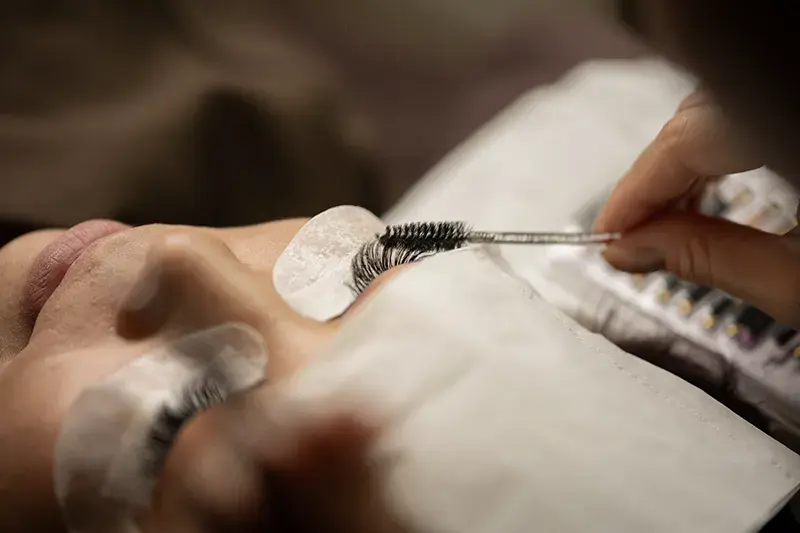
Lash health is not a feature at En Beauty. It is the starting point for every decision made at every appointment.
When En Beauty was founded, the intention was never to offer the fastest set or the most affordable fill. The intention was to offer lash work that would not compromise the lashes underneath it. That meant building the studio around a set of non-negotiables: a consultation before anything is applied, extensions weighted to what each individual lash can support, an adhesive chosen for its compatibility with sensitive eyes as much as its hold, and an honest conversation when a client's lashes are not in a condition to take extensions safely.
These are not add-ons or afterthoughts. They are the standard every appointment at En Beauty is held to, regardless of which artist you book with.

The Consultation Before Every Appointment
Every appointment at En Beauty begins with an assessment of the natural lashes. Not just the first appointment - every one.

Before any extension is applied, the condition of the natural lash is evaluated: the current growth cycle, the lash diameter and strength, the health of the follicle, and any changes since the previous visit. This is not a formality. It is what determines which extensions are appropriate, what weight they should be, and whether infills can proceed or whether the lashes need a recovery period first.
Most clients will not notice the assessment happening. It takes a few minutes and is part of the normal start of an appointment. But it is the step that prevents cumulative damage - the kind that builds slowly and only becomes obvious when natural lashes are noticeably thinner than they were.
For those new to eyelash extensions check out our page for first timers.
Classic Lash Extensions

Adhesive Technology
Every eyelash extension set at En Beauty uses high-quality adhesive - selected for its bond strength, low irritant profile, and compatibility with the natural lash. The standard formula is significantly better than what most volume salons use, and it is what the majority of clients wear comfortably without issue.
For clients who want an additional layer of comfort - particularly those with sensitive eyes, contact lens wearers, or anyone who has experienced reactions to adhesive elsewhere - LED lash extensions are available as an upgrade. The LED system uses a different adhesive formulation that cures under light rather than through ambient humidity. This means significantly lower fume output during application, a more flexible bond that moves with the natural lash rather than creating a rigid point of stress, and instant water resistance from the moment you leave the studio. There is no 24-hour waiting period before getting lashes wet.
The LED upgrade is an additional $20 and can be added to any lash extension appointment. If you have had a reaction to lash adhesive before, or simply prefer the lower-fume experience, mention it when booking and we will make sure your appointment is set up accordingly.
Learn more about the differences in our LED vs normal lash extension guide.

Isolation Technique
Isolation is the most technically demanding part of applying lash extensions and the area where poor technique causes the most damage.
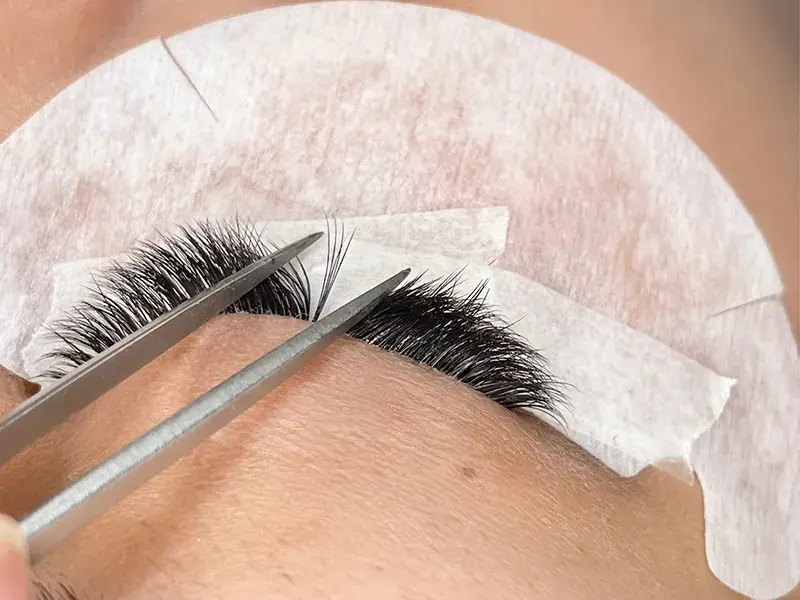
Each extension should attach to one natural lash and one natural lash only. When two or three natural lashes are bonded together, they cannot shed independently through their normal growth cycle. The growing lash pulls against the others. Over multiple fills, this mechanical stress accumulates at the follicle - which is where long-term damage occurs.
Correct isolation takes time. It is one reason that a properly done appointment at a specialist studio takes longer than a high-volume salon. The appointment structure at En Beauty is built around doing this properly for every single extension in the set.
Weight Matching
Natural lashes vary significantly in diameter, length and strength - and those variables change over time. The extensions placed on each lash need to match what the lash can support, not just what the client wants to achieve.
An extension that is too long or too thick for the natural lash it sits on creates constant mechanical stress at the root. Over a full set and repeated fills, that stress weakens the follicle and shortens the lash cycle. The visible result is the gradual thinning that many clients who have worn extensions for years eventually notice.
At En Beauty, extension weight and length are chosen lash by lash based on what each individual natural lash can support. If a client requests a style that would require extensions the lashes cannot carry, the recommendation will be different from the request. That conversation is straightforward and honest, and it is always in the client's long-term interest.
Patch Testing
A patch test involves applying a small number of extensions 24 to 48 hours before a full appointment to check for any adhesive sensitivity before proceeding.
En Beauty recommends a patch test for clients with a known adhesive sensitivity, a history of reactions to similar products, or highly reactive skin around the eye area. If you have had a reaction to lash extensions at another studio, a patch test is the sensible first step before a full appointment.
To request a patch test, mention it when booking. It does not take long and it removes the risk of finding out at a full appointment that the adhesive is not suitable.
Lash Rehab
Clients sometimes arrive at En Beauty after experiencing damage at another studio. The lashes may be thinner than before, shorter in places, or showing signs of breakage or gaps in the lash line. What happens next depends on the condition of the lashes on assessment.
If the natural lashes are in a condition where extensions can be safely applied - even a lighter, shorter style than the client is used to - treatment can proceed. A more conservative approach is often recommended to give the lashes the best chance of recovering their condition alongside wearing extensions.
If the natural lashes need a recovery period before extensions are appropriate, Izumi or Mayu will say so directly. A keratin lash lift is often a practical option during recovery - it works with the natural lashes rather than adding to them, gives a polished result, and involves no adhesive. Once the lashes have recovered through one or two full growth cycles, extensions can be reconsidered.
Recovery timelines depend on how long the damage has been present and what caused it. One full lash cycle is the realistic minimum - roughly six to eight weeks - before meaningful improvement is visible.
Healthy aftercare starts with healthy application.

Conditions That May Affect Treatment
Most clients can wear lash extensions comfortably with appropriate modification. A small number of conditions affect whether treatment can safely proceed at all. En Beauty's approach in both cases is the same: full information before the appointment begins, and an honest recommendation.
Conditions we adapt for
-
Sensitive eyes - LED adhesive is significantly more comfortable; appointment may be modified to allow more ventilation or a shorter initial set
-
Contact lens wearers - lenses removed for the appointment; aftercare modified around daily insertion and removal habits
-
Rosacea around the eye area - assessed on the day depending on whether it is active; mild or stable rosacea does not usually prevent treatment
-
Eczema around the eye area - same approach; active flare-ups are a reason to reschedule
-
Pregnancy - no clinical evidence of risk when applied in a well-ventilated space; consulting a lead maternity carer first is recommended, particularly in the first trimester
-
Chemotherapy or immune-suppressing medications - natural lash cycle can be significantly affected; assessed case by case
Conditions where treatment is not appropriate
-
Active conjunctivitis or eye infection - treatment cannot proceed until fully resolved
-
Extreme light sensitivity (Photodermatosis) - LED light used in application cannot be used; standard adhesive may be an option if other conditions allow
-
Light-triggered epilepsy - LED lash treatment is contraindicated
-
Very severe active allergic reaction around the eye area - deferred until the reaction has settled and a patch test has been completed
If you are unsure whether a condition affects treatment, mention it when booking. En Beauty would rather have that conversation in advance.
Why Health-First Is a Design Principle, Not a Claim
Studios that advertise lash health as a selling point often mean they use better materials than the cheapest available option. At En Beauty, health-first is built into the appointment structure itself.
It is why first appointments are longer - the consultation takes time that most high-volume salon models do not allocate. It is why En Beauty will decline a style request if the client's natural lashes cannot support it. It is why the LED adhesive was chosen over standard formula. It is why infill appointments include a lash health check before the fill begins.
None of this is unusual at En Beauty. It is simply how the work should be done. The result for clients is lashes that remain healthy over years of wearing extensions, rather than the gradual thinning that tends to follow years of volume salon appointments.
Classic Lash Extensions


Lash health starts before a single extension is applied.
En Beauty is based in Northcote on Auckland's North Shore, with free parking directly outside the studio. Every appointment begins with a proper assessment of your natural lashes - whether it is your first visit or your fiftieth.
Book your appointment, or get in touch if you have questions about whether extensions are right for your lashes or ask about whether a lash lift might suit you better right now.
FAQ - Lash Health
How do I know if my lash extensions are damaging my natural lashes?
The main signs are natural lashes that appear thinner than before you started wearing extensions, gaps in the lash line between fills, lashes that feel heavy or uncomfortable between appointments, and clumping or sticking together. If you notice any of these, come in rather than waiting for your next scheduled fill. Catching it early makes a significant difference to recovery time.
Can lash extensions cause permanent damage?
In most cases, no. The natural lash follicle is resilient, and lash loss from poorly applied extensions is typically a cycle issue rather than permanent follicle damage. However, repeated mechanical stress at the follicle over a long period - from extensions that are consistently too heavy or from lashes bonded together repeatedly - can in rare cases affect the follicle long-term. This is why weight matching and isolation technique matter, and why it is worth choosing carefully where you get your lashes done.
My lashes feel heavy and uncomfortable between appointments - is that normal?
No. Correctly applied lash extensions should not feel heavy or noticeable once you are used to having them. Heavy or uncomfortable lashes usually mean the extensions are too long or too thick for the natural lash, or that multiple natural lashes have been bonded together. Come in for an assessment rather than waiting - extensions causing discomfort are also likely causing some degree of stress to the natural lash.
How long does it take to recover from lash damage?
One full lash cycle is the honest answer - roughly six to eight weeks. The natural lash has to grow, rest and shed completely before the follicle is back to its baseline. Clients with moderate damage often see meaningful improvement within four weeks; full recovery typically takes six to eight. The timeline also depends on how long the damage has been present.
My lashes were damaged at another salon - can En Beauty help?
Often, yes. The first step is an honest assessment at the start of your appointment. If your natural lashes can safely support a lighter style of extension, treatment can proceed with a more conservative approach while your lashes recover. If they need a full rest period first, we will tell you directly and talk through what that looks like. A keratin lash lift is often a useful option during recovery.
Is the LED adhesive better for sensitive eyes?
For most clients with sensitivity, yes. The main difference is significantly lower fume output during application - cyanoacrylate-based adhesives release fumes as they cure, which is the most common source of irritation for sensitive-eye clients. The LED formula also creates a more flexible bond, which means less mechanical stress on the follicle over time. If you have had a reaction to lash adhesive elsewhere, mention it when you book so we can discuss the right approach before your appointment.
When would you recommend a lash lift over extensions?
A lash lift works with your natural lashes rather than adding to them - no adhesive, no weight, minimal maintenance. It is often the better choice for clients with fine or sparse natural lashes, those recovering from previous damage, or anyone who wants a polished result without the upkeep of infills every few weeks. If you are unsure which treatment suits your lashes right now, the Niawase consultation is the best place to start.
Do you offer patch testing?
Yes. A patch test involves applying a small number of extensions 24 to 48 hours before your full appointment to check for any adhesive sensitivity. We recommend it for anyone with a known sensitivity, a history of reactions to similar products, or very reactive skin around the eye area. Just mention it when you book and we will arrange it.
Where is En Beauty located?
En Beauty is at B2/129 Onewa Road, Northcote, Auckland 0627. Free parking is available directly in front of the building - look for Courageous Being client parking signs. We regularly see lash clients from Takapuna, Birkenhead, Devonport, Albany and beyond, with clients also travelling from across central Auckland and the wider region.